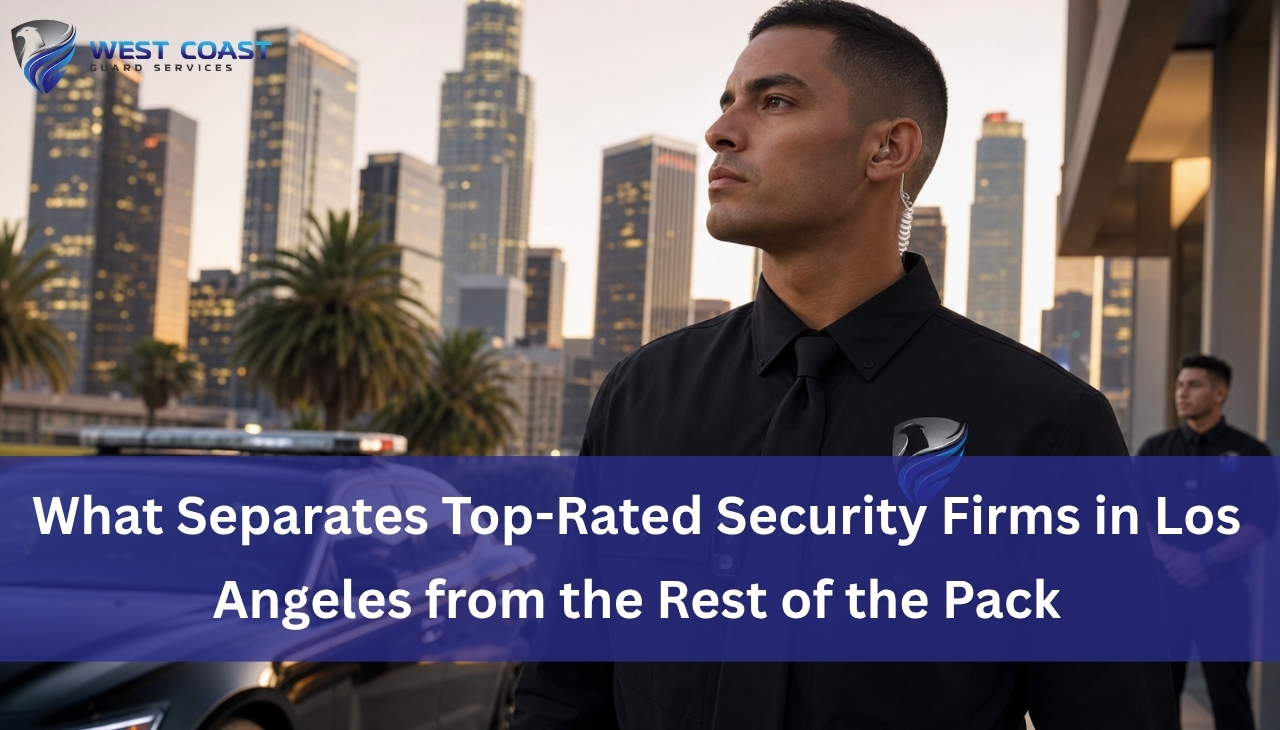
There are special security challenges associated with live music events that cannot be effectively met by event security alone. The unpredictable and constantly changing security situation is created by crowd energy, alcohol, close quarters, and high emotions. This means that venue managers need to require their security providers to have a much higher operating level. This is a huge risk for your guests, artists and venue licence. Concert security service Los Angeles venue managers must be at a very high standard. This guide details exactly what to expect from your security company prior to any show.
The Stakes Are Higher at Live Music Events
Concerts have a lot of energy in the audience, which increases and changes over the course of a concert. A slow security response can escalate a situation in seconds, any time you’re at a live show. In addition, the tragic deaths at large shows across the globe have set the bar high for safety in venues. Concert security is a life-safety job and must not be an afterthought for any manager.
Core Services Every Concert Security Company Must Provide
Not all security firms are qualified and experienced in managing a live music environment professionally. It is important for venue managers to know exactly what services a concert security professional will provide each time. Furthermore, if any company is unable to validate these core competencies, they should not be on your short list. This is what the real deal is like for every concert in Los Angeles.
Crowd Monitoring and Surge Management
Active crowd monitoring: Security staff keep an eye on the audience and their movement during the performance. They spot early signs of potentially dangerous compression. Thus, officers may be able to move barriers and/or open relief exits or reroute guests prior to a surge that could become life-threatening. This is a proactive method that differentiates a professional concert security from a normal guard staffing service.
Backstage and Artist Protection
The backstage areas must have their own and dedicated level of security from the general audience area. The stage barrier must be passed by people with hats on and always be in artist holding areas. Also, artists and their teams need to be able to safely walk through the venue from the first point of arrival to the last point of departure without being obstructed. If a security company doesn’t supply specific backstage coverage, it isn’t proper for professional concert work.
Emergency Response Readiness
A complete emergency response plan with documented procedures and practice is a must for every concert security team before the show. This plan includes medical emergencies, fire evacuation, crowd crush response, and communication with the LAPD and paramedics. This creates a sense of urgency and decisiveness from officers during emergencies, before seeking further instructions from higher authority.
What Venue Managers Must Demand Before Signing Any Contract
One of the most expensive errors a venue manager can make is signing a contract with the wrong security company. The vetting process should be comprehensive, specific and geared towards assessing genuine qualifications and not price. So, you should have these non-negotiable standards as your minimum checklist when you compare security providers. If you give in on any of these aspects, you are making yourself take an unnecessary risk at your venue.
A proven track record with live events.
Experience in general commercial security does not equip a company to deal with the intricacies of live concert venues. Request specific recommendations from concert halls, music festivals or large-scale entertainment events in Los Angeles. Also ask about their biggest events they have worked and what they did in the event with respect to certain incidents. The best way to know how good a company is at what they do is to hear it with their own ears.
Custom Security Plans for Every Show
A pro-security firm never uses the same strategy with each concert that works for their customers. They look at your particular show, how many people you’re looking to attend, your artist profile, ticket type, and audience class. As such, the security plan they create is in response to the actual risks and venue setup of your particular event. Any company that promises a “one size fits all” without first assessing the site is a red flag to avoid.
General Admission Safety protocols and Mosh Pit safety protocols
Specialized, experienced officers that are familiar with the crowd of people, who attend live music events in a general admission area on floors or mosh pit areas, are needed. The officers must ensure the space is free for organic flow of crowd and must actively work to avoid dangerous conditions of crowd crush or pile-up. So they cannot stand on the edge of the floor but must be in the crowd zone.
How to manage exit during high-tension moments.
Concert exits are important safety zones during encores, emergency evacuations or special announcements by the concert artists to the audience after the show. Security staff should proactively control the flow of guests entering and exiting from all doors to avoid hazardous “surges” at exit points.
Backstage and Artist Security Requirements.
There is a need for training, discretion and authority from the venue management team to ensure backstage security. These officers are in direct contact with the artists, management, production staff and media representatives on a daily basis. Besides, they should be strictly enforcing the rules for access, but at the same time being professional in tone, as they are in an entertainment setting. There are no exceptions for these requirements for concerts of famous artists or of high value.
Credential Verification for All Backstage Personnel
Officers should be able to tell when a pass is fake, and be able to confidently ask anyone who is not wearing an obviously valid pass. One individual getting access to the backstage area without permission can cause legal, safety and reputational issues for your venue operation.
Artist Escort and Movement Coordination
During each concert event, artists and team members run back and forth between their dressing rooms, stages, media areas and vehicles.Artists and their team run from dress rooms, to stages, to media areas and to vehicles for each concert event. It is a common mistake that all professional companies try to avoid in the beginning as they plan for artist movement.
Technology and Communication in Concert Security
Today’s concert security operations are technology-driven and communication-centric, enabling them to manage large security teams effectively. An isolated service firm that only observes by sight and talks by words is below the current professional standards. As a result, venue owners should ask any security company they’re considering for the specific communication and monitoring systems they employ.
Radio Communication Systems and Command Posts
All security team members need to have a working two-way radio that leads to a central radio. The command post is the operational control point where supervisors are able to oversee all zones and take action on a quick response. This means that information can flow from person to person at lightning speed throughout the security team, as opposed to trickling down the chain of command.
FAQs
What skills and abilities are necessary for a concert security guard?
All state officers must carry valid California BSIS guard registration and have proven experience in live events. Additional qualifications that are good to require include de-escalation training, crowd management certification, and first aid knowledge. Request your security firm to provide your concert with the security officer’s training records prior to the concert.
What do security forces do during the cases of ‘crowd surges’ at concerts?
Barriers are set in place and continuously monitored by trained officers and adjusted as necessary when pressure is felt, or relief channels opened. They can immediately talk to one another via radio and the direction of the crowd before any dangerous crowd compression becomes an issue. Surge response is always quick and efficient because of the pre-show planning and designated relief routes.
Should concert security be involved with LAPD?
Yes, the local LAPD division must be directly coordinated for any concert that will be attended by more than 500 people. Your security firm must take care of this communication and should give LAPD information on the event, staffing plan, and emergency procedures. This coordination further enhances response times and equips law enforcement with the ability to effectively respond if necessary.
Conclusion
Security for concerts requires a specialized field of expertise, planning and a strong commitment to maintaining public safety. The live music industry has a responsibility to venue managers in Los Angeles to provide a safe environment for thousands of fans to enjoy live entertainment. For every show, whether it is a solo or ensemble performance, crowd control, artist protection, backstage management and emergency readiness are all necessities. Sharp Guard Group is a reputable Los Angeles security firm offering premier concert security in Southern California. Work with professionals who know your venue, respect your guests and will keep your reputation intact at each performance.