Custom Empty Cereal Boxes: Personalized Packaging With a Clear Purpose
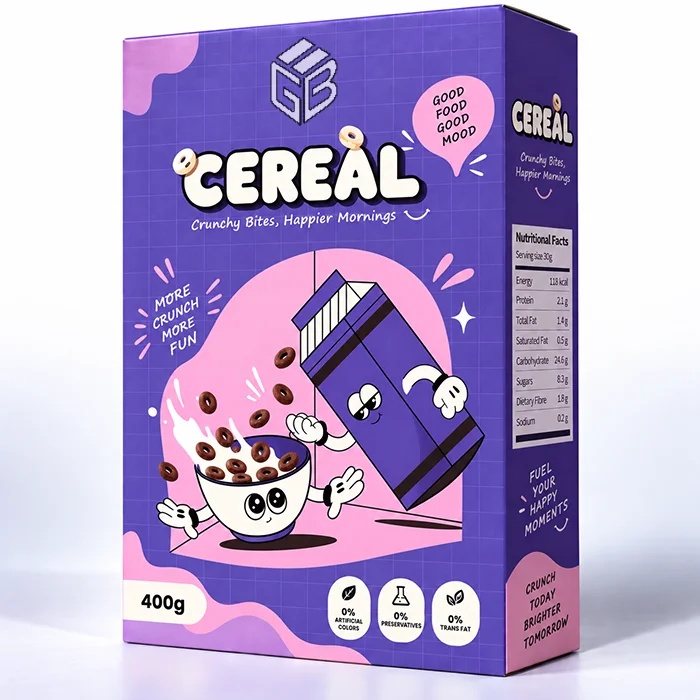
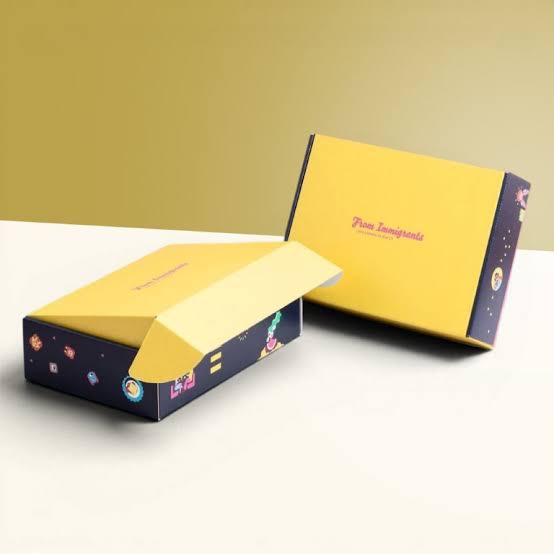
Custom empty cereal boxes offer a starting point for product packaging, event favors, creative projects, and themed presentations. Their design can include a brand name, original artwork, personalized messages, and dimensions chosen for the intended contents.
The starting point is purpose. Before selecting graphics or placing an order, decide whether the box will hold food, contain separately wrapped items, or serve only as a decorative piece. That distinction should guide the material specification, labeling, and overall design.
Decide How the Boxes Will Be Used
An custom empty cereal boxes can be developed for several different applications. A business may need an outer carton for a packaged cereal product, while an event organizer may want a personalized box for favors. A creative project may require no food contact at all.
Establish the intended use before discussing materials or printing. Do not assume that a decorative carton is suitable for direct contact with cereal simply because it resembles retail food packaging.
A useful design brief should cover:
The intended contents
Whether food will touch the box directly
Any inner bag or separate wrapping
The required dimensions
Artwork and personalization needs
Assembly, storage, and delivery requirements
These details give the supplier a practical foundation.
Choose Dimensions Around the Complete Contents
Measure everything that will go inside the box, including an inner bag, wrapped items, cards, or other components.
Confirm whether quoted measurements refer to the internal or external dimensions of the finished carton. Account for folds, closures, and the space needed to insert and remove the contents comfortably.
Avoid choosing a large format solely to create more room for graphics. Equally, do not select a tight fit that makes packing awkward or prevents the box from closing neatly.
Test a physical sample with the intended contents before approving the dimensions.
Distinguish the Outer Carton From the Inner Packaging
If the box will be used for cereal, define the role of each packaging component. Ask the supplier what the outer carton is intended to do and whether a separate inner package is part of the proposed arrangement.
Review the complete system rather than treating the printed box as the only packaging decision. Discuss the actual food, expected storage conditions, and intended contact time with an appropriately qualified supplier or adviser.
Request documentation relevant to the finished construction and its intended use. A general description such as “food-grade” should not replace application-specific information.
Keep the approved specification available for repeat orders.
Select a Structure That Is Easy to Assemble
Ask the supplier to show the proposed closure arrangement on a drawing and an assembled sample. Check how the box opens, how the bottom is secured, and how staff will fill it.
Review the structure using the complete contents rather than an empty sample alone. The panels should not be forced outward, and the closure should remain manageable.
If the boxes will be delivered flat, include assembly time in the packing trial. Instructions should be clear enough for the people who will prepare them.
Additional structural features should have a defined purpose rather than add unnecessary steps.
Create Original Artwork
Custom empty cereal boxes provide space for illustrations, patterns, lettering, and storytelling. Begin with a clear visual direction instead of trying to fill every panel with unrelated details.
For a business, connect the artwork to its established identity. For an event, choose a theme that suits the occasion and recipient.
Use original designs or artwork you have permission to reproduce. Avoid copying an existing cereal brand’s logo, characters, or distinctive packaging in a way that could create confusion.
Review the design on an assembled box to check panel orientation and the relationship between the front, sides, and back.
Make Personalization Meaningful
Names, event dates, short messages, or custom illustrations can give the box an individual character.
Decide which details will remain the same across the order and which will change for each recipient. Keep variable information organized so the correct artwork is used for every version.
Proof names and dates separately from the main design. Small personalization errors can be easy to overlook when reviewing a full packaging layout.
If the box is intended for display only, consider whether a discreet explanation of its purpose would help avoid misunderstanding.
Keep Food Information Accurate
If the box will contain a food product, reserve space for information required for that specific product and intended market.
Have applicable labeling requirements reviewed before finalizing the artwork. The layout may need to accommodate ingredients, allergen information, quantity, responsible business details, batch identification, or other required content.
Do not add invented nutritional information or unsupported health claims to make the design look like a retail cereal package. Decorative authenticity should not come at the expense of accuracy.
Keep product information consistent across the outer box, inner packaging, and any accompanying labels.
Balance Graphics With Readability
Establish a clear hierarchy between the main title, product or event name, and supporting text.
Large illustrations can provide a focal point, but important wording should remain easy to find. Keep small lettering away from folds, seams, and areas covered by the closure.
If the back panel includes a game, activity, or message, check it at its actual printed size. Review instructions for clarity rather than judging the layout only as decoration.
Leave enough space for each element to feel intentional.
Review Materials and Finishes Together
Ask the supplier to identify the board, printing, coatings, adhesives, and any additional components.
Request representative samples before approving textured surfaces, metallic accents, or other decorative treatments. Inspect folds, corners, printed lettering, and the opening action.
Any environmental statement should relate to documented characteristics of the finished box. A natural color or paper texture should not be presented as proof of an environmental benefit.
Where disposal guidance is included, keep it specific and appropriately qualified.
Plan Quantities and Final Approval
Choose an order quantity that reflects realistic custom cereal box, available storage, and the likelihood of artwork changes. A box printed with a particular event date may have limited use afterward.
Compare quotations using matching dimensions, materials, printing, and included components. Clarify sampling, artwork preparation, delivery terms, and how the empty boxes will be supplied.
Before production, check the physical sample alongside the final artwork. Confirm fit, closure, spelling, personalization, and panel orientation.
Custom empty cereal boxes work best when their design follows a clearly defined use. Appropriate dimensions, original artwork, and accurate information create a finished presentation that feels personal while remaining practical for the contents and occasion.

About Premium Author
This post has been authored and published by one of our premium contributors, who are experts in their fields. They bring high-quality, well-researched content that adds significant value to our platform.
You Might Also Like
Popular Categories
Stay Connected
Recent Posts