Raspberry Hills Shorts for Creative Streetwear Photography
How Fashion and Photography Work Together
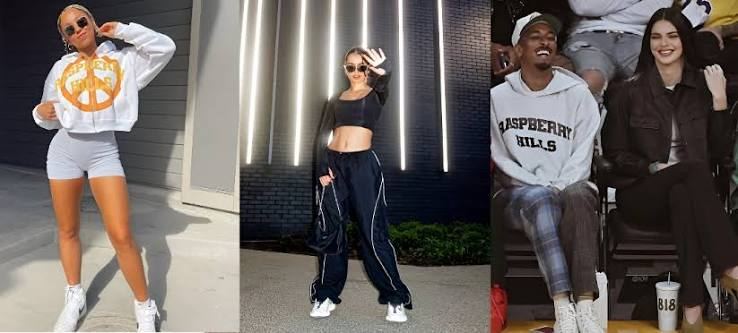
Streetwear photography has become a popular way to explore personal style, experiment with visual ideas, and capture everyday fashion from a fresh perspective. A simple outfit can look distinctive when clothing, lighting, background, and composition work together. Rather than relying on expensive equipment or complicated styling, successful streetwear photographs often begin with thoughtful clothing choices and an understanding of visual balance.
Raspberry Hills Shorts can be a useful starting point for creating casual outfits that photograph well in different environments. Their styling possibilities allow room for experimentation with oversized tops, simple T-shirts, sneakers, and accessories. The goal is to build an outfit that feels authentic while creating an interesting visual result.
Photography also encourages people to notice details they might overlook when getting dressed. Color contrast, fabric texture, clothing proportions, and the relationship between individual pieces can all influence how an outfit appears in a photograph.
Choosing Clothing That Creates Visual Interest
An outfit that looks good in person may appear different through a camera lens. Certain colors become more noticeable, patterns can compete with the background, and loose clothing may create a different silhouette depending on the camera angle.
A useful starting point is to select one main clothing item and build the rest of the outfit around it. If the shorts have a distinctive color or design, a simple top can help maintain balance. If the shorts are understated, a graphic T-shirt or textured outer layer may introduce additional interest.
The overall outfit should have a clear visual direction. Combining too many bold colors, large graphics, and contrasting patterns can make a photograph feel crowded. A more controlled combination gives the viewer a clearer understanding of the clothing and the intended style.
It is also important to choose clothes that feel comfortable. Natural movement and relaxed posture usually produce more authentic photographs than outfits that require constant adjustment.
Building Outfits Around Raspberry Hills Clothing
A strong streetwear photography wardrobe does not need to be extensive. A small selection of versatile pieces can produce a variety of looks when combined thoughtfully.
Raspberry Hills Clothing can fit into this approach through simple outfit combinations that emphasize shape, color, and texture. A neutral top, relaxed bottoms, and clean sneakers can create an understated appearance, while a statement shirt or distinctive accessory can introduce a stronger visual element.
For a minimal photograph, choose two or three complementary colors and keep accessories subtle. This creates a clean composition that works particularly well against simple walls, open spaces, and uncluttered backgrounds.
For a more expressive editorial look, experiment with contrasting colors, layered textures, and different clothing proportions. The important thing is to maintain a connection between the outfit and the surrounding environment.
Photographing the same clothing in several combinations can also reveal its versatility. Changing the top, footwear, or accessories may create a completely different mood without requiring an entirely new wardrobe.
Selecting Backgrounds That Complement the Outfit
The background can either support the clothing or compete with it. Choosing an appropriate location is therefore an important part of streetwear photography.
Concrete and Architectural Settings
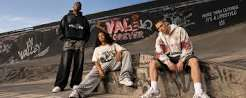
Concrete walls, staircases, and modern building exteriors can create a structured urban atmosphere. Their geometric shapes often complement relaxed streetwear silhouettes and sneakers.
Neutral backgrounds are particularly useful when the outfit contains noticeable colors or graphics. They allow the clothing to remain the main point of interest while adding texture and depth to the photograph.
Always choose locations where photography is permitted and avoid blocking entrances, walkways, or other public spaces.
Natural Outdoor Environments
Parks, tree-lined paths, and open outdoor areas can produce a softer atmosphere. Greenery and natural textures provide contrast with darker clothing, while sunlight can introduce interesting shadows and highlights.
For a balanced photograph, consider how the clothing colors interact with the surroundings. Earthy shades may complement natural environments, while brighter colors can create a stronger visual contrast.
Simple Indoor Settings
Indoor photography can work well when the available space has good lighting and a relatively uncluttered background. A plain wall, a tidy room, or an area near a large window may provide everything needed for a clean fashion photograph.
The advantage of a simple setting is that attention remains on the outfit. Small adjustments to posture, camera height, and lighting can create several distinct images without changing locations.
Using Color to Strengthen Streetwear Images
Color coordination is one of the most effective ways to improve fashion photography. Clothing and background colors influence the mood of an image, so selecting a clear palette can make the final photograph feel more deliberate.
Black, white, grey, navy, and beige are useful foundation colors because they can work with many different environments. They also make it easier to introduce a brighter accent without overwhelming the image.
For example, a neutral outfit against a colorful wall may create a strong contrast. Alternatively, clothing in earthy tones can blend naturally with outdoor surroundings for a quieter visual effect.
Monochromatic outfits provide another option. Wearing different shades of the same color can create depth through texture and variation rather than strong contrasts. This approach works particularly well when the clothing includes different fabrics or shapes.
Before taking photographs, look at the complete frame rather than focusing only on the clothing. A background sign, bright object, or unrelated color may draw attention away from the outfit. Small changes in position can often solve the problem.
Exploring Different Poses and Camera Angles
Good streetwear photography does not require complicated poses. Natural movements often produce more relaxed results and make the clothing appear easier to wear.
Walking, adjusting a sleeve, looking away from the camera, or standing with a comfortable shift in weight can create variety. These movements help avoid the repetitive appearance that can result from using the same pose in every image.
Camera angle also affects how clothing proportions appear. A camera held too low or too close can exaggerate certain parts of the body, while a more level viewpoint may provide a balanced representation of the outfit.
Taking photographs from several distances can add useful variety. Full-body images show the complete combination, while closer frames reveal details such as fabric texture, graphic placement, footwear, and accessories.
It is worth taking several photographs during the same movement rather than stopping after one image. Small changes in posture and expression can make a significant difference to the final selection.
Styling a Hoodie for Editorial Streetwear Photos
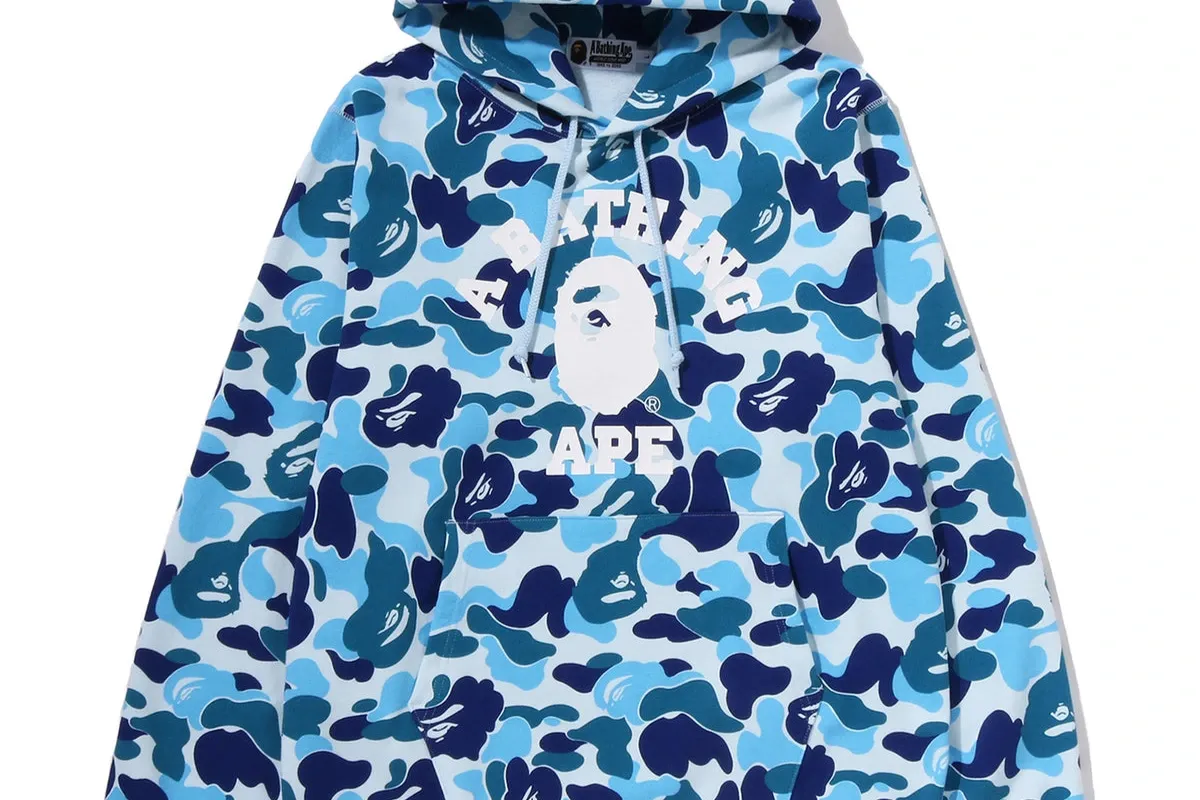
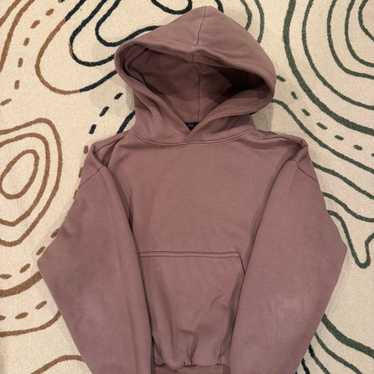
Hoodies can add volume, texture, and visual structure to a streetwear outfit. They are especially useful when a photograph needs a more layered appearance or when the weather supports heavier clothing.
A Raspberry Hills Hoodie can be styled with shorts, relaxed trousers, or denim, depending on the desired silhouette. Pairing a roomy hoodie with cleaner lines below can create contrast, while combining loose pieces can produce a more oversized editorial look.
Color coordination remains important. A neutral hoodie can provide a calm foundation for more noticeable footwear, while a brighter top can become the central visual feature of an otherwise simple outfit.
Consider how the hoodie behaves during movement. Sleeves, hems, and the hood itself can create interesting shapes, but they should look natural rather than deliberately disordered. Adjusting the garment before each photograph helps maintain a consistent appearance.
For warmer conditions, lighter tops may be more practical. Clothing should always suit the environment so that the photographer and subject can work comfortably.
Capturing Texture and Small Details
Streetwear is not only about colors and silhouettes. Texture can add depth to an image and help distinguish individual clothing pieces.
Close-up photographs can highlight fabric surfaces, stitching, pockets, hems, and other visible design elements. These details are especially useful when creating a collection of photographs rather than relying on a single full-body image.
Natural side lighting can reveal texture by producing gentle shadows across the fabric. Direct sunlight may create stronger contrast, while softer light often gives a more even appearance.
Accessories and footwear can also provide interesting details. A close-up of sneakers, a coordinated cap, or a small bag can complement the main outfit photographs and create a more complete visual story.
The purpose is to show the clothing clearly rather than adding effects that make its details difficult to recognize. Simple composition often produces the most useful results.
Editing Photographs Without Losing Their Natural Look
Editing can improve streetwear photography by correcting exposure, adjusting contrast, and making colors appear more consistent across a collection. However, excessive editing may change the appearance of the clothing and distract from the original styling.
Begin with basic adjustments. Correct the brightness, check the white balance, and make sure dark clothing still shows visible detail. If the colors appear too intense, reducing saturation slightly may create a more natural result.
Cropping can also improve composition. Removing distracting objects near the edges helps direct attention toward the subject, but leave enough space to show the full outfit when proportions are important.
Consistency is valuable when creating a series of images. Similar brightness and color treatment can make photographs feel connected even when they were taken in different locations.
Avoid editing every image so heavily that skin tones, fabric colors, or textures become unrealistic. The strongest fashion photographs usually preserve the authentic appearance of the clothing.
Developing a Consistent Photography Style
A recognizable photography style develops through repeated experimentation. Some creators prefer clean architectural backgrounds, while others enjoy natural settings, close-up details, or images that capture movement.
Trying different approaches helps identify which visual choices work best. Keep track of successful color combinations, camera angles, and locations so they can be used as inspiration for future projects.
A consistent style does not mean every photograph must look identical. Variety in poses, backgrounds, and clothing combinations can keep a collection interesting while maintaining a recognizable visual direction.
The most important element is having a clear idea behind each image. Whether the goal is to highlight a relaxed outfit, explore contrasting colors, or capture the atmosphere of a location, each styling decision should support that idea.
Conclusion
Streetwear photography combines fashion, creativity, and visual storytelling. With carefully selected clothing, complementary colors, suitable backgrounds, and natural poses, everyday outfits can become interesting photographic subjects.
Using versatile pieces, experimenting with proportions, and paying attention to small details can help create a more varied collection of images. Expensive equipment is not essential; thoughtful styling and a clear visual direction are often more valuable.
By approaching each photograph as an opportunity to explore personal style, creators can develop images that feel authentic, visually balanced, and distinctive.
Frequently Asked Questions
What makes a good streetwear photography outfit?
A good outfit combines balanced proportions, complementary colors, and clothing that suits the location. One noticeable item can provide visual interest while simpler pieces keep the overall appearance coordinated.
Which backgrounds work best for streetwear photography?
Concrete walls, modern architecture, parks, and uncluttered indoor spaces can all work well. The best background supports the outfit without competing for attention.
How can shorts be styled for streetwear photographs?
Pair shorts with a suitable T-shirt, comfortable sneakers, and accessories that complement the outfit. Consider the clothing proportions and background colors before taking photographs.
Is a hoodie suitable for fashion photography?
Yes. Hoodies can introduce texture, volume, and layering. They work with shorts, denim, and relaxed trousers when the colors and proportions are balanced.
How can you improve streetwear photographs without professional equipment?
Use natural light, select an uncluttered background, experiment with camera angles, and take several photographs while moving naturally. Basic editing can improve brightness and color consistency.
Why is color coordination important in fashion photography?
Colors influence how viewers notice different parts of an image. Coordinated shades help the outfit look intentional, while carefully chosen contrasts can highlight specific clothing pieces.

About sinclair cloting
The EL Barbas Hats editorial team explores hat trends, fashion inspiration, and practical styling tips for everyday wear.
Popular Categories
Stay Connected
Recent Posts