Duct Cleaning Services | Improve Indoor Air Quality in 2026
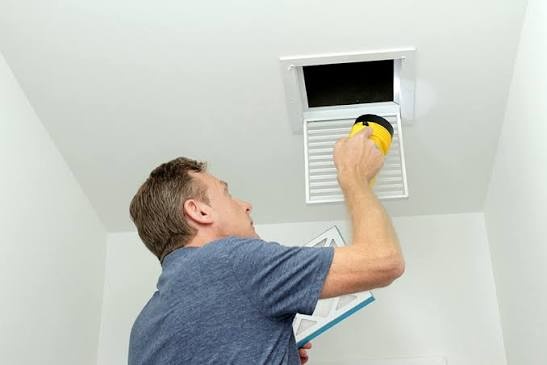
The air inside a home or business travels through the HVAC system many times each day. As air moves through supply and return ducts, it can carry dust, pollen, pet dander, and other particles. Over time, debris can accumulate inside ductwork, particularly when filters are neglected, construction has taken place, or the HVAC system has operated for years without professional attention.
Professional Duct Cleaning Services can help address excessive buildup and support a cleaner, more efficient HVAC environment. As homeowners and businesses place greater emphasis on indoor air quality and energy efficiency in 2026, ductwork has become an important part of the overall conversation about HVAC maintenance.
Why Clean Ductwork Matters
Ductwork is often hidden behind walls, ceilings, and floors, making it easy to overlook during routine cleaning. However, the condition of the duct system can influence airflow and the movement of airborne particles throughout a property.
Dust and debris may accumulate in ducts because of:
- Poor or inconsistent filter maintenance
- Renovation and construction activity
- Pet hair and dander
- Excessive household dust
- Damaged or disconnected ductwork
- Long periods without HVAC maintenance
- Outdoor contaminants entering the system
Cleaning may be beneficial when there is significant contamination or when specific conditions indicate that the duct system requires attention.
Signs Your Ductwork May Need Cleaning
Not every HVAC system requires frequent duct cleaning. However, certain signs can indicate that a professional inspection may be worthwhile.
Look for:
- Visible dust or debris around vents
- Excessive dust returning shortly after cleaning
- Musty odors when the HVAC system operates
- Reduced airflow in certain areas
- Evidence of pests inside ductwork
- Visible mold-like growth on appropriate surfaces
- Recent major renovation or construction
- Significant debris inside accessible duct sections
A professional assessment can determine whether duct cleaning is appropriate or whether another HVAC issue is causing the problem.
What Professional Duct Cleaning Involves
Professional Duct Cleaning Services are more comprehensive than simply vacuuming around air vents. Experienced technicians use specialized equipment to access and clean appropriate sections of the air distribution system.
Depending on the property's duct design and condition, the process may involve:
- Inspecting supply and return ducts
- Protecting furnishings and surrounding areas
- Removing vent covers
- Using professional agitation and collection equipment
- Cleaning accessible duct surfaces
- Inspecting the blower and other HVAC components
- Checking for visible damage or disconnected sections
- Reassembling components after cleaning
- Verifying airflow
The exact procedure depends on the HVAC system and the condition of the ductwork.
Duct Cleaning and Indoor Air Quality
Indoor air quality has become a major consideration for homeowners in 2026. People are increasingly interested in controlling dust, allergens, odors, humidity, and other indoor environmental factors.
Duct cleaning can be useful when excessive debris is present within the air distribution system. Removing accumulated contaminants may reduce the amount of material available to circulate through the HVAC system.
However, duct cleaning should be viewed as one component of a broader indoor air quality strategy.
Other important factors include:
- Effective air filtration
- Proper ventilation
- Humidity management
- Regular HVAC maintenance
- Moisture control
- Addressing pollutant sources
A comprehensive approach is generally more effective than relying on a single solution.
How Dirty Ducts Can Affect Airflow
Airflow is essential to HVAC performance. Restrictions within the air distribution system can make it more difficult for conditioned air to reach different areas of a property.
While duct contamination is not always the cause of airflow problems, excessive debris may contribute to poor system performance in certain circumstances.
A professional HVAC technician can inspect the ductwork and determine whether cleaning, repairs, sealing, or another solution is necessary.
Duct Cleaning and Energy Efficiency
Many homeowners assume that cleaning ducts automatically produces major energy savings. The reality is more nuanced.
If ductwork is heavily contaminated or airflow is restricted, cleaning may help restore appropriate airflow. However, energy efficiency also depends on factors such as equipment condition, insulation, duct design, refrigerant performance, filters, and thermostat settings.
For this reason, Duct Cleaning Services should ideally be considered alongside overall HVAC maintenance.
A professional inspection can uncover other issues that may be affecting system efficiency.
The Importance of Proper HVAC Filtration
One of the simplest ways to help reduce future dust accumulation is to maintain an appropriate HVAC filter.
Filters capture airborne particles before they can enter and circulate through the system. However, using an excessively restrictive filter that is not compatible with the HVAC equipment can create airflow problems.
Homeowners should follow manufacturer recommendations and replace filters at appropriate intervals.
Homes with pets, renovations, or high occupancy may require more frequent filter attention.
Modern HVAC Trends in 2026
HVAC technology is becoming increasingly focused on indoor air quality, energy management, and smart monitoring.
Homeowners can now combine traditional HVAC maintenance with technologies such as:
Smart Indoor Air Quality Sensors
Connected sensors can monitor certain indoor environmental conditions and provide information through smartphone applications.
Advanced Filtration
Modern filtration solutions can provide enhanced particle capture when properly matched to the HVAC system.
Whole-Home Air Purification
Air purification technologies can complement traditional filtration as part of a broader indoor air quality strategy.
Smart HVAC Controls
Connected thermostats can help homeowners manage temperature, schedules, and energy consumption more efficiently.
These technologies can work alongside properly maintained ductwork to create a more comprehensive indoor comfort system.
When Should You Consider Professional Duct Cleaning?
Duct cleaning should not necessarily be performed simply because a certain amount of time has passed. Instead, homeowners should consider the actual condition of the ductwork.
Professional cleaning may be worth considering when there is:
- Significant visible debris
- Suspected contamination
- Evidence of pests
- Recent construction
- Persistent odors associated with the duct system
- Excessive buildup inside accessible ductwork
A qualified professional can inspect the system and explain whether cleaning is likely to provide meaningful benefits.
Choosing a Reliable Duct Cleaning Provider
Because ductwork can be difficult to access, professional cleaning requires appropriate equipment and experience.
When choosing a provider, consider:
- Experience with residential and commercial HVAC systems
- Proper cleaning equipment
- Transparent service recommendations
- Thorough inspection procedures
- Knowledge of indoor air quality
- Professional workmanship
- Clear pricing
Avoid providers that make unrealistic claims about guaranteed health improvements or dramatic energy savings without first evaluating the condition of the HVAC system.
Conclusion
Ductwork plays an important role in distributing conditioned air throughout a property. When significant debris or contamination is present, professional cleaning can help improve the cleanliness of the air distribution system and support better HVAC performance.

About Premium Author
This post has been authored and published by one of our premium contributors, who are experts in their fields. They bring high-quality, well-researched content that adds significant value to our platform.
You Might Also Like


Popular Categories
Stay Connected
Recent Posts