Medical Malpractice Lawyers in Florida | Patient Rights Guide 2026
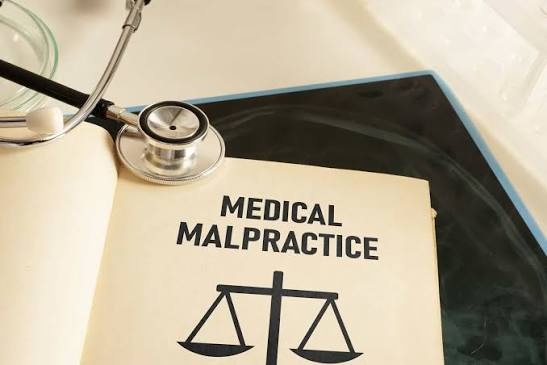
Medical treatment can improve lives, but patients can sometimes experience serious harm because of preventable mistakes. Diagnostic errors, surgical mistakes, medication problems, anesthesia complications, and inadequate follow-up care may create significant physical and financial consequences.
For patients who believe negligent medical care caused an injury, understanding the legal process is an important first step. Medical malpractice lawyers in Florida can review the circumstances of a potential claim, examine medical records, consult qualified experts, and explain the legal requirements that may apply.
Florida medical negligence claims have specific procedural requirements. For example, Florida law requires a reasonable investigation and a good-faith basis before a medical negligence action is filed.
What Is Medical Malpractice?
Medical malpractice generally involves a healthcare provider's failure to meet the applicable professional standard of care, resulting in injury or other legally recognized harm.
Potential examples include:
- Misdiagnosis or delayed diagnosis
- Surgical errors
- Medication errors
- Anesthesia mistakes
- Birth injuries
- Failure to monitor a patient
- Failure to recognize worsening symptoms
- Inadequate follow-up treatment
- Communication failures between healthcare providers
Not every poor medical outcome qualifies as malpractice. Some complications occur despite appropriate treatment. A potential claim requires an examination of the specific medical circumstances and applicable professional standards.
Understanding Florida's Standard of Care
Florida law places the burden on a claimant to establish that the healthcare provider's actions represented a breach of the prevailing professional standard of care. The standard generally concerns the level of care, skill, and treatment recognized as acceptable and appropriate for reasonably prudent similar healthcare providers.
This is one reason medical malpractice litigation can be more complicated than an ordinary personal injury case. Medical professionals may need to explain what should reasonably have happened and whether the provider's conduct departed from accepted practices.
Common Medical Errors That May Cause Serious Injuries
Misdiagnosis and Delayed Diagnosis
Failing to identify a serious condition can delay treatment and allow an illness to progress. Examples may include missed strokes, heart attacks, infections, cancer, or neurological conditions.
Surgical Errors
Mistakes during an operation can include wrong-site procedures, incorrect procedures, avoidable organ or nerve injuries, and inadequate responses to complications.
Medication Errors
Incorrect medications, dosages, or administration instructions can sometimes cause significant adverse effects or additional injuries.
Anesthesia Errors
Anesthesia requires careful preparation and monitoring. Errors involving dosage, patient monitoring, or failure to respond to complications can have serious consequences.
Birth Injuries
Complications during pregnancy, labor, delivery, or newborn care may sometimes result from failures in monitoring or timely intervention.
Why Medical Records Matter
Medical records can provide a detailed timeline of a patient's treatment. They may show symptoms reported, tests performed, diagnoses made, medications prescribed, procedures completed, and follow-up recommendations.
Important documents may include:
- Physician notes
- Emergency department records
- Laboratory results
- Diagnostic imaging
- Surgical reports
- Anesthesia records
- Medication records
- Nursing notes
- Specialist consultations
- Discharge instructions
A careful review of these materials can help determine what healthcare providers knew at different points and what decisions they made in response.
The Importance of Expert Medical Evidence
Medical malpractice cases frequently involve complex medical questions. Florida's presuit process specifically requires investigation of whether reasonable grounds exist to believe that negligence occurred and caused injury, with a verified written medical expert opinion required in the circumstances described by statute.
Qualified medical professionals can help evaluate issues such as:
- What treatment was appropriate?
- What information was available to the provider?
- Was the applicable standard of care followed?
- Did a departure occur?
- Did that departure cause or contribute to the patient's injury?
This expert analysis can help distinguish a preventable medical error from an unavoidable complication.
Potential Consequences of Medical Negligence
A serious medical injury can affect nearly every aspect of a patient's life. Depending on the circumstances, losses may include:
Medical Expenses
Patients may require hospitalization, corrective procedures, medication, rehabilitation, physical therapy, or long-term treatment.
Lost Income
An injury may prevent someone from returning to work temporarily or permanently. Evidence of lost wages and diminished earning capacity may become relevant.
Future Care
Permanent injuries can require continuing medical supervision, specialized equipment, home assistance, or other long-term services.
Pain and Quality-of-Life Effects
Depending on applicable law and the circumstances of a claim, damages may also involve physical pain, emotional distress, disability, and diminished quality of life.
Florida's Presuit Process
Florida has specific procedures that generally apply before a medical negligence lawsuit can be filed. Under Florida Statutes §766.106, after the required presuit investigation, a claimant must provide prospective defendants with notice of the intent to initiate litigation before filing a complaint.
The Florida Rules of Civil Procedure also contain a medical malpractice presuit screening rule addressing notice and presuit discovery.
Because these requirements can be technical, patients should avoid assuming that a standard personal injury procedure applies to a medical negligence matter.
Time Limits Can Matter
Florida law establishes specific limitation periods for medical malpractice actions. The statute generally provides a two-year period measured from the incident or from when the incident was discovered, or should have been discovered with due diligence, subject to additional statutory limitations and exceptions.
Because exceptions and special circumstances can affect the calculation, anyone considering a potential claim should obtain case-specific legal advice rather than relying on a general deadline.
Choosing Legal Representation
When researching medical malpractice lawyers in Florida, patients should consider whether an attorney has experience handling complex medical negligence matters and understands Florida's presuit requirements.
Useful questions to ask include:
- How much experience do you have with medical malpractice cases?
- Have you handled cases involving my type of injury?
- How are medical experts selected?
- How will my medical records be evaluated?
- What evidence may be needed?
- What deadlines could apply?
- How are legal fees and case expenses handled?
The Florida Bar provides a public directory where individuals can verify basic information about Florida attorneys.
Steps to Take After Suspected Medical Negligence
Patients who believe negligent treatment caused an injury should first focus on receiving appropriate medical care. They can also preserve potentially important evidence by:
- Requesting complete medical records.
- Keeping copies of diagnostic reports and imaging.
- Documenting medical expenses.
- Recording missed work and lost income.
- Keeping track of continuing symptoms and treatment.
- Preserving relevant communications.
- Seeking qualified legal guidance promptly.
Early investigation can help preserve evidence and determine whether the circumstances support a potential claim.
Conclusion
Medical negligence can have consequences that extend far beyond an initial medical appointment or procedure. Patients may face additional treatment, financial losses, rehabilitation, disability, and significant changes to their quality of life.
For individuals who believe they have been harmed by negligent healthcare, medical malpractice lawyers in Florida can help investigate the available evidence and explain the legal process. Florida's presuit investigation requirements, expert-evidence rules, and filing deadlines make these cases particularly important to evaluate carefully and promptly.

About Premium Author
This post has been authored and published by one of our premium contributors, who are experts in their fields. They bring high-quality, well-researched content that adds significant value to our platform.
Popular Categories
Stay Connected
Recent Posts