Digital Marketing Services List: What Does Your Business Need?
Marketing has changed dramatically. A business can have a great product, competitive pricing, and excellent customer service, but reaching the right audience is still a challenge if people cannot find the company online.
Today, customers may discover a business through Google, social media, online advertisements, blogs, email, or recommendations from other websites. With so many channels available, businesses often struggle to decide where to focus their marketing efforts.
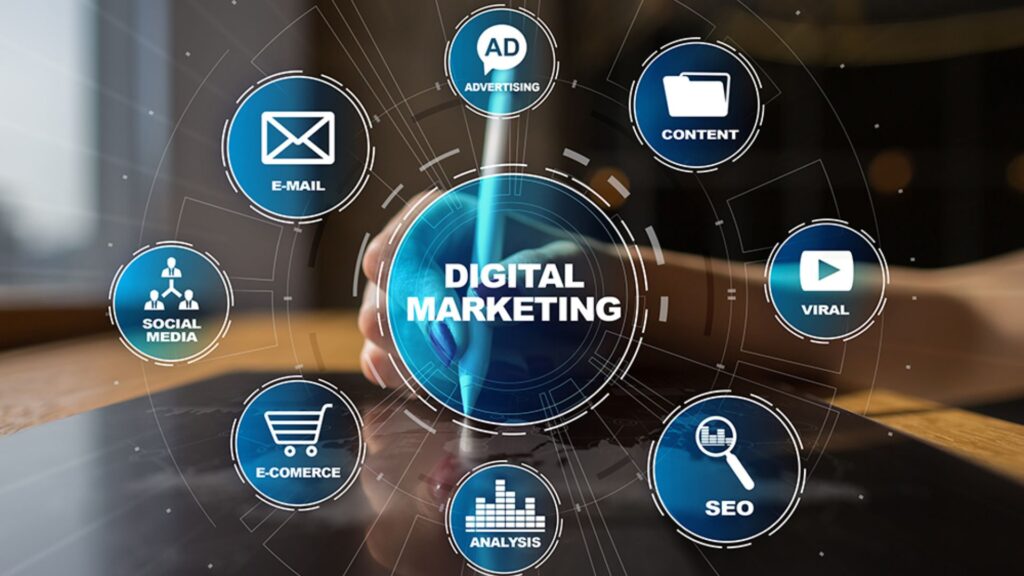
That is why having a clear digital marketing services list is useful. It gives businesses a better understanding of the different online strategies available and helps them identify which services can support their specific goals.
The important thing is not to use every marketing channel simply because it exists. The right combination depends on the business, its customers, budget, and objectives.
Search Engine Optimization
Search engine optimization, commonly known as SEO, is one of the most important long-term digital marketing strategies.
SEO focuses on improving a website's visibility in organic search results. This can involve keyword research, technical optimization, content creation, internal linking, local SEO, and authority building.
The advantage of SEO is that it can continue generating organic traffic without paying for every individual click.
However, SEO takes time. Businesses need to consistently publish useful content, improve their website, and build credibility rather than expecting immediate results.
Pay-Per-Click Advertising
PPC advertising provides businesses with a faster way to appear in front of potential customers.
Platforms such as Google Ads allow companies to target people searching for specific products and services. Advertisers pay when users interact with their advertisements, depending on the campaign setup.
PPC can be particularly useful for businesses that want immediate visibility, promote specific services, test new markets, or generate leads quickly.
The challenge is managing the budget carefully. Poor keyword selection or weak landing pages can result in spending money without producing meaningful conversions.
Social Media Marketing
Social media has become an important way for businesses to communicate directly with their audiences.
Platforms such as Instagram, Facebook, LinkedIn, and other networks can help companies build awareness, share useful content, introduce products, and maintain relationships with customers.
Effective social media marketing is more than posting promotional messages every day.
People generally respond better to content that informs, entertains, or provides something useful. A strong social strategy therefore combines educational content, brand storytelling, customer interaction, and carefully planned promotional campaigns.
Content Marketing
Content marketing focuses on creating information that is genuinely useful to potential customers.
This can include blog articles, guides, case studies, videos, infographics, FAQs, eBooks, and other resources.
Good content can help businesses in several ways. It can attract organic search traffic, answer customer questions, demonstrate expertise, and support other marketing channels.
The key is relevance. Publishing content simply to increase the number of pages on a website rarely produces strong results.
The content should address questions and problems that matter to the target audience.
Email Marketing
Email remains a valuable communication channel, particularly for businesses that already have an audience or customer database.
Companies can use email to share useful information, announce new services, promote offers, nurture leads, and maintain relationships with existing customers.
The strongest email campaigns are usually personalized and relevant rather than sending the same promotional message to everyone.
A well-organized email strategy can help businesses stay connected with customers long after the initial interaction.
Lead Generation
Getting website visitors is useful, but businesses ultimately need customers.
Lead generation focuses on turning interested visitors into potential customers through forms, landing pages, consultations, calls, downloads, and other conversion opportunities.
A successful lead generation strategy considers the complete customer journey.
For example, someone may discover a company through a Google search, read a blog article, visit a service page, and then request a consultation.
Each step needs to work together.
Website Design and Conversion Optimization
A website is often the center of a company's digital marketing activity.
Even an excellent advertising or SEO campaign can underperform if the website is slow, confusing, difficult to navigate, or unclear about what the business offers.
Good website design focuses on usability as well as appearance. Visitors should quickly understand what the company does, why it is credible, and what action they should take next.
Conversion optimization then focuses on improving those actions, whether the goal is a phone call, inquiry, purchase, booking, or registration.
Online Reputation Management
Before contacting a business, customers often look at reviews and online information.
Reputation management helps businesses monitor how they are represented online and respond appropriately to customer feedback.
The goal isn't to hide criticism. It is to understand customer concerns, respond professionally, and encourage satisfied customers to share genuine experiences.
A strong online reputation can become an important trust signal for potential customers.
Local Digital Marketing
For businesses serving specific cities or regions, local marketing deserves special attention.
Local SEO, business listings, location-focused content, reviews, and geographically targeted advertising can help businesses reach people searching for nearby services.
A company that serves customers in a particular area should make that location clear across its digital presence while ensuring its business information remains accurate and consistent.
Analytics and Performance Tracking
Digital marketing becomes much more useful when businesses know what is actually working.
Analytics can show where visitors come from, which pages they view, how long they stay, which campaigns generate leads, and where potential customers leave the conversion process.
This information allows businesses to improve their strategies based on evidence instead of assumptions.
A campaign that generates thousands of visitors but no meaningful inquiries may need a different approach from one that generates fewer visitors but consistently produces customers.
How Should Businesses Choose the Right Services?
A digital marketing services list can look extensive, but that doesn't mean every business needs every service.
A local service company might prioritize SEO, Google Ads, local marketing, and lead generation. An online store may focus more heavily on SEO, paid advertising, social media, email, and conversion optimization.
The right strategy starts with the business objective.
Is the goal to increase brand awareness, generate leads, sell products, enter a new market, or retain existing customers?
Once the objective is clear, businesses can select the channels most likely to contribute to that goal.
Conclusion
Digital marketing is not a single activity. It is a collection of strategies that can work together to attract, engage, convert, and retain customers.
Understanding a digital marketing services list helps businesses see how SEO, PPC, social media, content marketing, email, lead generation, website optimization, reputation management, and analytics can fit into a broader strategy.
The most successful businesses don't necessarily use the most marketing services. They use the right services for their audience and objectives, measure the results, and continuously improve their approach.
In a competitive online environment, that focused approach can make the difference between simply being present on the internet and actually generating consistent business from it.

About Premium Author
This post has been authored and published by one of our premium contributors, who are experts in their fields. They bring high-quality, well-researched content that adds significant value to our platform.


Popular Categories
Stay Connected
Recent Posts