Emergency AC Repair Mundelein: Smart Cooling Guide & 2026 Trends
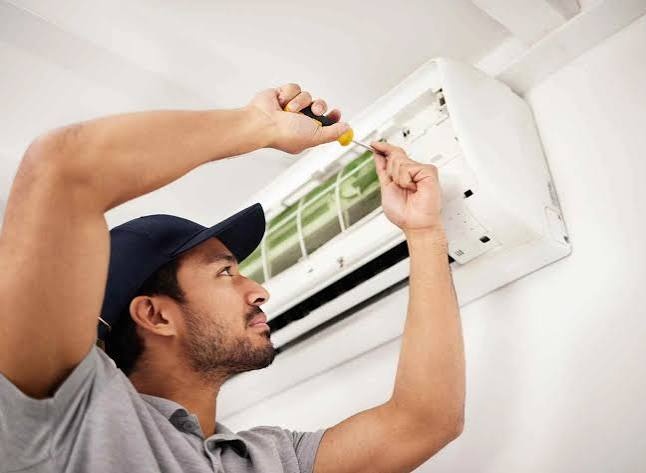
When an air conditioning system stops working during hot weather, homeowners need a solution that restores comfort quickly while addressing the underlying cause. Emergency cooling problems can range from electrical failures and frozen components to airflow restrictions, drainage issues, or mechanical breakdowns.
In 2026, emergency HVAC service is becoming more technology-driven. Smart diagnostics, connected thermostats, variable-speed equipment, remote monitoring, and predictive maintenance are helping technicians identify problems more efficiently and helping homeowners prevent some failures before they become emergencies.
For residents searching for emergency ac repair mundelein, understanding the latest developments in cooling technology can make it easier to recognize warning signs and make informed decisions about maintenance, repairs, and replacement.
Why Air Conditioning Problems Become Emergencies
Air conditioning failures are particularly disruptive during periods of extreme summer heat. Indoor temperatures can rise quickly when a cooling system stops operating, especially in homes with poor insulation or high solar exposure.
Some problems develop gradually. A system may begin producing weaker airflow, run continuously, make unusual sounds, or struggle to reach the thermostat setting. Other failures can occur suddenly because of electrical problems, component failure, or drainage issues.
Recognizing these warning signs early can provide an opportunity for professional service before the system experiences a complete shutdown.
Smart Diagnostics Are Changing Emergency HVAC Service
One of the most important HVAC trends in 2026 is the growing use of connected diagnostic technology. Modern air conditioning equipment can collect information about compressor operation, temperature, pressure, runtime, airflow, and electrical performance.
When unusual operating patterns occur, connected systems may generate alerts or diagnostic information.
This data can help HVAC professionals understand what happened before arriving at the property. Instead of beginning every diagnosis from scratch, technicians may have access to useful information about system behavior.
Smart diagnostics do not eliminate the need for hands-on inspection, but they can make the troubleshooting process more targeted.
Variable-Speed Systems Improve Cooling Performance
Variable-speed technology continues to expand across residential air conditioning. Traditional systems often operate at fixed capacities, while variable-speed compressors can adjust output according to cooling demand.
During mild conditions, the compressor can operate at a lower capacity. When outdoor temperatures rise, it can increase output to maintain the desired indoor temperature.
This approach can improve temperature consistency and humidity control while reducing unnecessary energy consumption.
However, variable-speed equipment contains sophisticated electronic components, meaning proper installation and professional maintenance are particularly important.
Smart Thermostats Provide Better Monitoring
Smart thermostats are becoming an important part of modern emergency-prevention strategies. These devices can monitor indoor temperature, detect unusual changes, and provide remote access through mobile applications.
Some systems can notify homeowners when indoor temperatures rise unexpectedly while the air conditioner is supposed to be operating.
This can be particularly useful when residents are away from home. An early notification may allow them to investigate a potential problem before the property becomes excessively warm.
Smart thermostats can also provide energy reports and equipment runtime information that may help identify changes in normal system behavior.
Common Warning Signs of AC Problems
Homeowners should pay attention to changes in air conditioner performance. Warning signs can include:
- Weak or inconsistent airflow
- Unusual noises or vibrations
- Water around the indoor unit
- Ice forming on components
- Frequent cycling
- Unusually high energy consumption
- Persistent warm air from supply vents
- The system running continuously without reaching the desired temperature
These symptoms can have multiple causes. For example, weak airflow may be associated with a dirty filter, blower problem, duct restriction, or other issue.
Because symptoms do not always reveal the actual cause, professional diagnosis is important when a problem persists.
Preventive Maintenance Can Reduce Emergencies
Emergency service is sometimes unavoidable, but preventative maintenance can reduce the likelihood of unexpected failures.
A professional inspection can evaluate electrical components, airflow, coils, condensate drainage, controls, and other critical system components.
Homeowners can also perform simple maintenance tasks such as replacing or cleaning filters according to manufacturer recommendations and keeping the outdoor unit free from excessive vegetation and debris.
Routine maintenance can improve efficiency while allowing developing problems to be identified earlier.
Refrigerant and Environmental Technology Is Evolving
Refrigerant technology continues changing as manufacturers and regulators focus on environmental performance. Newer air conditioning equipment is being designed around refrigerants with different environmental characteristics and updated safety requirements.
When an older system experiences a major refrigerant-related problem, homeowners may need to evaluate whether repair or replacement makes more sense over the long term.
Factors such as equipment age, efficiency, repair cost, refrigerant considerations, and expected remaining service life can influence the decision.
When Emergency Service Is Appropriate
Not every cooling problem requires immediate emergency service. However, certain situations should receive prompt professional attention.
A complete loss of cooling during extreme heat can become a serious comfort and safety concern, particularly for vulnerable occupants. Electrical smells, burning odors, repeated breaker trips, unusual mechanical noises, or water leakage may also indicate conditions requiring urgent evaluation.
Homeowners should avoid attempting complex electrical, refrigerant, or mechanical repairs themselves. Professional HVAC technicians have the appropriate tools and training to diagnose and address these problems safely.
Repair Versus Replacement
A major emergency does not automatically mean that an air conditioner needs to be replaced. In many cases, a qualified technician can repair the failed component and restore normal operation.
However, replacement may make more financial sense when an older system requires repeated repairs, has declining efficiency, or has a major component failure.
Modern systems can offer improved efficiency, quieter operation, smart controls, and better humidity management.
A professional evaluation can help homeowners compare the immediate repair cost with the long-term benefits of replacement.
The Future of Emergency Cooling Service
The HVAC industry is moving toward more connected and predictive service models. Smart sensors, remote diagnostics, variable-speed technology, artificial intelligence, and connected thermostats are helping transform emergency cooling from a purely reactive service into a more proactive process.
For homeowners looking for emergency ac repair mundelein, selecting a qualified HVAC professional who understands both conventional equipment and modern connected systems can provide an important advantage.
The most reliable strategy is to combine prompt professional service with preventative maintenance and smart monitoring. As cooling technology continues evolving throughout 2026 and beyond, homeowners will have increasingly powerful tools for maintaining comfort, improving efficiency, and reducing unexpected HVAC disruptions.

About Premium Author
This post has been authored and published by one of our premium contributors, who are experts in their fields. They bring high-quality, well-researched content that adds significant value to our platform.
Popular Categories
Stay Connected
Recent Posts