Water Quality Testing Florida: A Guide for Homeowners in 2026
Clean, reliable water is an essential part of a comfortable and healthy home. Homeowners use water every day for drinking, cooking, bathing, cleaning, and other household activities, yet the quality of water coming from a private well or other residential source may not always be obvious.
Water can contain substances that cannot be detected by sight, smell, or taste. For this reason, professional water quality testing Florida services can provide valuable information about the condition of a home's water supply.
Why Water Quality Matters in Florida
Florida homeowners can encounter different water-quality concerns depending on their water source, location, plumbing system, and surrounding environment. Private wells, in particular, may require regular monitoring because they are not managed in the same way as municipal water systems.
Potential concerns can involve:
- Bacteria
- Minerals
- Metals
- Nitrates
- pH levels
- Hardness
- Other water-quality indicators
Testing does not assume that a water supply has a problem. Instead, it provides data that can help homeowners understand what is present and determine whether further action is appropriate.
What Is Water Quality Testing?
Water quality testing involves collecting a representative water sample and analyzing it for selected parameters. The exact tests performed depend on the property's water source, concerns, location, and testing objectives.
Common parameters may include:
- Total coliform bacteria
- E. coli
- Lead
- Nitrate
- Nitrite
- pH
- Hardness
- Iron
- Manganese
Not every home requires every possible test. A qualified professional or certified laboratory can help determine which parameters are appropriate for the situation.
Private Wells Require Special Attention
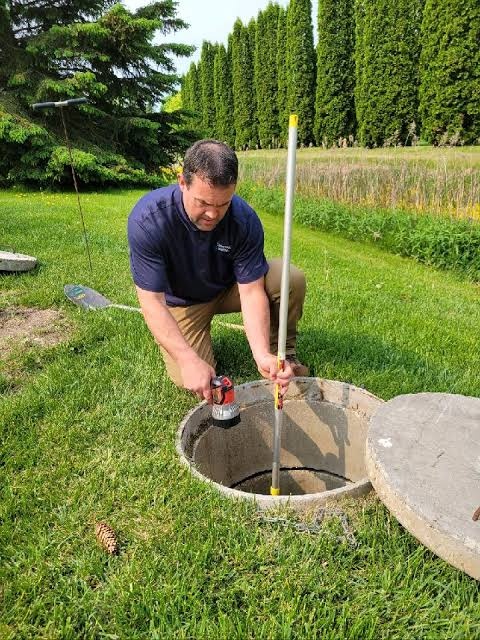
Many Florida properties rely on private wells. Unlike municipal water supplies, private wells are generally the responsibility of the property owner.
Well water quality can be influenced by factors such as:
- Well construction
- Groundwater conditions
- Flooding
- Nearby septic systems
- Agricultural activity
- Plumbing materials
- Changes in surrounding land use
Routine testing can provide homeowners with information about changes in water quality over time.
When Should Homeowners Test Their Water?
Regular testing can be useful, but certain situations make testing particularly important.
Homeowners may consider testing when:
- Purchasing a property with a private well
- Installing a new well
- Noticing changes in water appearance
- Detecting unusual odors or tastes
- Experiencing flooding near the well
- Repairing or modifying a water system
- Suspecting contamination
- Following applicable local recommendations
Testing frequency depends on the water source and circumstances.
Understanding Common Water Quality Parameters
Different tests provide different types of information.
Bacteria
Coliform and E. coli testing can help identify potential bacterial contamination. These tests are particularly relevant for private wells and situations where contamination may have occurred.
Nitrates
Nitrate levels can be influenced by factors such as agricultural activity, septic systems, and other environmental sources.
pH
pH indicates whether water is acidic, neutral, or alkaline. Unusual pH levels can contribute to plumbing corrosion or other water-system concerns.
Iron and Manganese
These naturally occurring minerals can affect water appearance, taste, staining, and other characteristics.
Lead
Lead can enter drinking water through certain plumbing materials or fixtures. Testing can help determine whether lead is present in a particular water sample.
Water Appearance Is Not Enough
One common misconception is that clear water is automatically safe water. In reality, many substances cannot be identified by appearance alone.
Similarly, unusual taste or odor does not necessarily identify the specific cause of a water-quality issue.
Laboratory testing provides objective measurements that are much more useful than relying solely on visual or sensory observations.
Water Testing for Homebuyers
Homebuyers should consider water quality when evaluating a property, particularly when purchasing a home with a private well.
A professional water quality testing Florida service can provide information that may help buyers understand the water supply before completing the purchase.
Testing may help identify whether additional investigation is appropriate and can provide useful documentation for future reference.
Buyers should also review available well records, maintenance information, and applicable local requirements.
Water Testing for Existing Homeowners
Testing is not only for real estate transactions. Existing homeowners can benefit from periodic monitoring, especially when using a private well.
Keeping records of test results can help homeowners recognize changes over time.
For example, a homeowner may notice that a particular parameter has changed compared with previous results. That information can help determine whether additional investigation or system maintenance is appropriate.
What Happens After Testing?
A laboratory report provides test results, but interpreting those results requires context. The appropriate response depends on the parameter, concentration, water source, applicable standards, and intended use of the water.
If a result indicates a potential concern, homeowners may need to consult an appropriate professional, such as:
- A water-treatment specialist
- A well professional
- A plumber
- An environmental professional
- A public health authority
Treatment should be selected based on confirmed water-quality conditions rather than assumptions.
Maintaining a Private Well
Water testing works best when combined with proper well maintenance. Homeowners should keep the area surrounding a well clean and protected from potential contamination sources.
Helpful practices include:
- Maintaining the well cap
- Keeping chemicals away from the well
- Managing drainage around the well
- Maintaining septic systems properly
- Inspecting visible well components
- Keeping records of repairs and testing
Professional well maintenance may also be appropriate depending on the property's circumstances.
Why Testing Matters in 2026
Homeowners increasingly want greater visibility into the systems that affect their property. Water quality is no exception.
Modern laboratory testing can provide detailed information about selected water-quality parameters, helping homeowners make informed decisions instead of relying on assumptions.
A professional water quality testing Florida service can be particularly valuable when purchasing a property, monitoring a private well, investigating a change in water characteristics, or documenting water conditions.
Conclusion
Water quality is an important part of responsible homeownership. Because many potential contaminants cannot be identified simply by looking at or tasting water, testing provides a more reliable way to understand what is present.
Whether you are buying a home, maintaining a private well, or investigating a change in water quality, professional water quality testing Florida can provide useful information for making informed decisions.
In 2026, combining regular testing, proper well maintenance, and professional guidance when concerns arise can help Florida homeowners better understand and manage their residential water supply.

About Premium Author
This post has been authored and published by one of our premium contributors, who are experts in their fields. They bring high-quality, well-researched content that adds significant value to our platform.
Popular Categories
Stay Connected
Recent Posts