Septic Tank Inspection: 2026 Guide for Homeowners
For homeowners who rely on a private septic system, proper maintenance is essential for protecting both the property and the surrounding environment. Unlike municipal sewer systems, a septic system is located on the property and requires regular attention from the homeowner. When maintenance is overlooked, relatively small problems can eventually become expensive repairs.
A professional septic tank inspection can help homeowners understand the apparent condition and operation of accessible septic components, identify potential concerns, and make informed decisions about maintenance.
In 2026, proactive property care is more important than ever. Whether you're buying a home, selling a property, or maintaining your current residence, understanding your septic system can help prevent unpleasant surprises and unexpected expenses.
What Is a Septic System?
A septic system is an underground wastewater treatment system commonly used in areas without access to a municipal sewer network. While designs vary, a typical system may include a septic tank, inlet and outlet components, pumps or floats where applicable, and a drain field or absorption area.
Wastewater from the home flows into the septic tank, where solids and liquids separate. The wastewater then moves toward the drain field for further treatment and absorption into the soil.
Because much of this system is underground, homeowners cannot easily determine its condition through a normal visual inspection.
Why Septic Systems Need Regular Attention
A septic system handles wastewater every day. Over time, solids can accumulate, components can deteriorate, and drainage conditions can change.
Potential concerns include:
- Excessive solids in the tank
- Damaged or deteriorated components
- Problems with pumps or floats
- Blocked filters
- Damaged lids or baffles
- Drain field concerns
- Poor drainage
- Sewage backups
- Standing water around the system
Early identification of a problem can give homeowners more time to determine the appropriate solution.
What Does a Professional Inspection Look At?
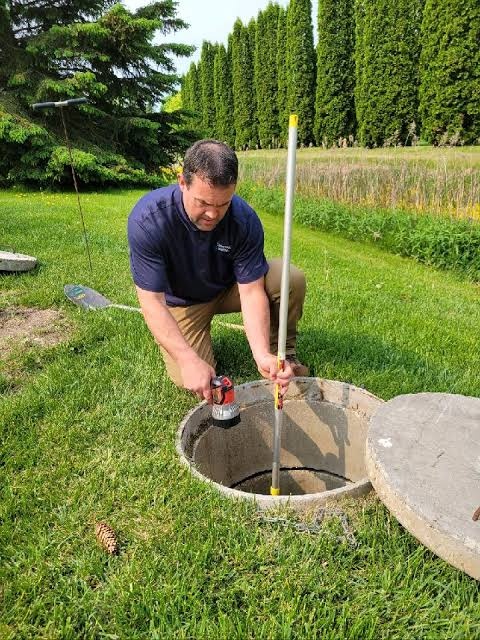
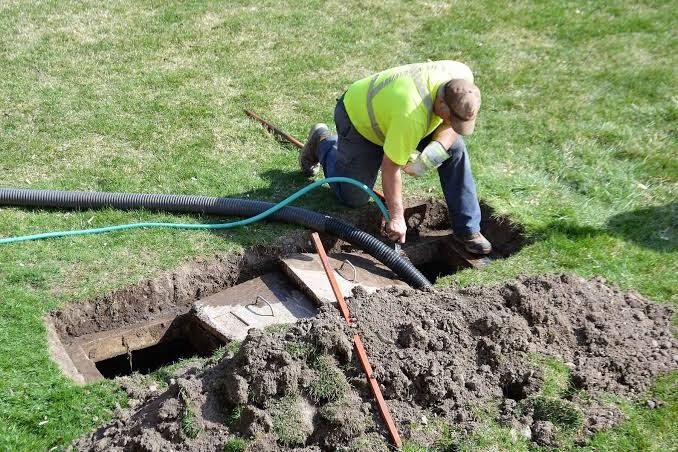
The exact scope of an inspection depends on the property and system design. A professional evaluation may include accessible components such as the septic tank, lids, baffles, filters, pumps, floats, and other visible or accessible parts.
An inspector may also evaluate the surrounding area for signs that could indicate a potential drainage or absorption problem.
A septic tank inspection may help document the apparent condition of the system and identify areas that require maintenance, repair, pumping, or additional evaluation.
Warning Signs Homeowners Should Watch For
Homeowners should pay attention to changes around the septic system and inside the house.
Potential warning signs include:
- Slow drains throughout the home
- Recurring plumbing backups
- Unpleasant sewage odors
- Standing water near the drain field
- Unusually lush vegetation in one area
- Gurgling plumbing fixtures
- Sewage surfacing in the yard
- Changes in toilet performance
One plumbing problem does not necessarily mean the septic system has failed. However, recurring symptoms deserve professional attention.
Why Homebuyers Should Inspect the Septic System
When purchasing a home with a private septic system, buyers should look beyond the house itself. Replacing or repairing septic components can be expensive, and problems may not be obvious during a typical property viewing.
Before purchasing, buyers should consider learning:
- The approximate age of the septic system
- The tank's location
- Previous pumping history
- Available maintenance records
- Whether pumps or floats are present
- The condition of accessible components
- Whether previous repairs have been performed
- Whether there is a history of backups or drainage problems
A professional inspection can provide useful information before a buyer makes a significant financial commitment.
If concerns are identified, buyers may have an opportunity to investigate further and discuss appropriate repairs or other considerations with the seller, depending on the transaction.
Sellers Should Consider a Pre-Listing Evaluation
A septic problem discovered late in a real estate transaction can create delays, unexpected expenses, and difficult negotiations.
Sellers can take a proactive approach by having their septic system evaluated before listing the property. This provides an opportunity to identify known concerns and determine whether maintenance or repairs should be completed.
Documentation of previous pumping, repairs, inspections, or other septic work can also provide useful information to prospective buyers.
The Drain Field Is Just as Important as the Tank
Homeowners sometimes focus entirely on the septic tank and overlook the drain field. However, the drain field is a critical part of the overall system.
The drain field receives effluent from the septic tank and allows it to be absorbed into the surrounding soil.
Homeowners should avoid activities that could damage or interfere with the area, such as:
- Parking heavy vehicles over the drain field
- Building structures over the system
- Blocking natural drainage
- Allowing excessive water to accumulate
- Planting inappropriate vegetation directly over system components
Understanding where the septic system and drain field are located can help homeowners avoid accidental damage.
What About Septic Tank Pumping?
Inspection and pumping are not necessarily the same thing.
Pumping removes accumulated solids from the tank, while an inspection evaluates accessible components and conditions. The appropriate pumping schedule depends on factors such as household size, tank capacity, wastewater volume, and system use.
Homeowners should follow recommendations from qualified professionals and applicable local requirements rather than relying on a one-size-fits-all schedule.
Water Conservation Can Help
Excessive water entering a septic system in a short period can place additional stress on the system.
Homeowners can help by:
- Repairing leaking faucets and toilets
- Using water-efficient fixtures
- Spreading laundry throughout the week
- Avoiding unnecessary high-volume water use
- Addressing plumbing leaks promptly
Good water-use habits can support the long-term operation of a septic system.
Keep Harmful Materials Out of the System
A septic system is designed to treat household wastewater, not every substance that can be poured down a drain.
Homeowners should be careful about disposing of:
- Grease and cooking oils
- Harsh chemicals
- Paint
- Automotive fluids
- Excessive antibacterial products
- Non-flushable materials
Toilets should also only be used for appropriate waste and toilet paper. Items marketed as flushable may still contribute to blockages or system problems.
Modern Inspection Technology
Inspection technology has improved significantly in recent years. Digital photography, electronic reporting, and other diagnostic tools can help professionals document property conditions more clearly.
Depending on the system and inspection scope, professionals may also use specialized equipment to evaluate components that are not easily accessible.
Detailed documentation can help homeowners maintain records and make better decisions about future maintenance.
Why Preventive Maintenance Matters in 2026
Waiting until wastewater backs up into a home is rarely the best way to manage a septic system.
Preventive evaluation can help homeowners:
- Identify developing concerns
- Plan maintenance
- Reduce unexpected repair costs
- Understand the age and condition of system components
- Protect the property
- Support real estate transactions
A septic system is a major part of a property's infrastructure. Taking care of it can contribute to the long-term value and functionality of the home.
Conclusion
A septic system works quietly underground, but its importance becomes obvious when something goes wrong. Backups, odors, standing water, and drainage problems can disrupt daily life and potentially result in significant repair costs.
A professional septic tank inspection can provide valuable information about the apparent condition of accessible components and help identify concerns that may require additional attention.
Whether you're buying, selling, or simply maintaining your home, taking a proactive approach to septic care in 2026 can help you avoid surprises, plan future maintenance, and protect your property investment.

About Premium Author
This post has been authored and published by one of our premium contributors, who are experts in their fields. They bring high-quality, well-researched content that adds significant value to our platform.

Popular Categories
Stay Connected
Recent Posts